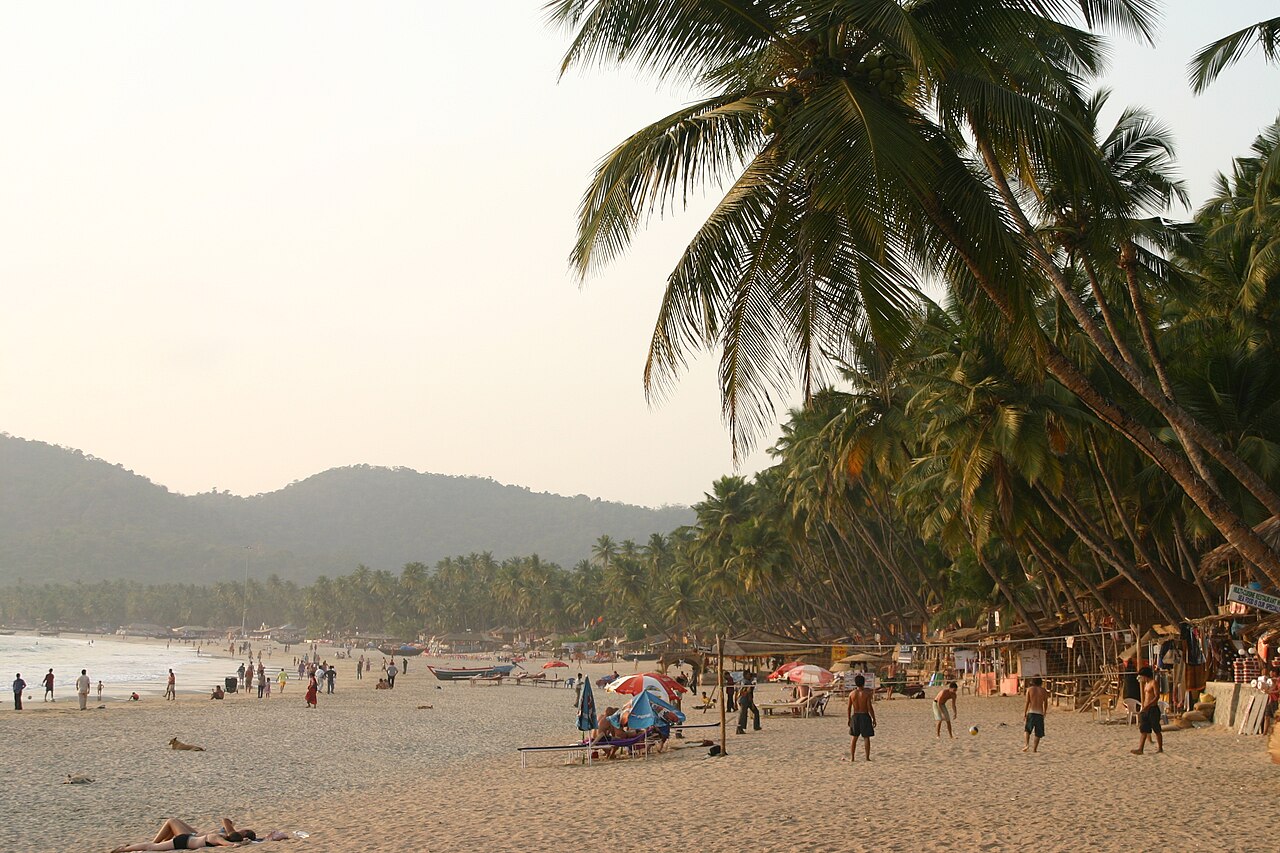
Goa is India’s smallest state and its most famous beach destination — yet calling it only a “beach place” misses half the story. Portuguese-era churches, spice plantations, river cruises, fish markets, and a music scene that shifts from trance sunsets to live jazz all share the coastline with shacks and sand. In 2026, Goa continues to balance mass tourism with pockets of calm, especially in the south.
This guide helps you choose when to go, where to base yourself, which beaches match your travel style, and how to build a three-to-five-day itinerary with realistic costs. Whether you are planning a family holiday, honeymoon, or friends’ trip, start with the North–South question — it shapes everything else.
Goa’s reputation for parties is only one chapter. Portuguese churches in Old Goa, Latin Quarter cafés in Panaji, cashew feni distilleries inland, and quiet South beaches where fishermen mend nets at dawn all coexist within a two-hour drive. Ahmedabad and Mumbai travellers often fly or drive for long weekends; understanding airport choice and monsoon vs winter character prevents the “wrong Goa” disappointment some first-timers describe when they book the right hotel in the wrong region for their mood.
Why Visit Goa?
Goa offers something rare in India: international-flavoured beach culture with domestic accessibility. Direct flights from major cities, a wide hotel spectrum, English-friendly tourism infrastructure, and cuisine that blends Konkani and Portuguese traditions make it approachable for first-time and repeat visitors.
Beyond beaches, Old Goa’s churches are UNESCO-listed heritage. Wildlife sanctuaries inland reward birders. Markets sell everything from hippie jewellery to designer resort wear. Nightlife ranges from family carnivals in Panaji to club nights in North Goa. That variety keeps Goa relevant even for travellers who do not spend all day on a towel.
Best Time to Visit Goa
Peak season: November to February
Dry, sunny, 25–32°C days. Christmas, New Year, and festival season drive peak prices — book months ahead for end-of-year travel.
Shoulder: March to May
Hotter and humid but fewer crowds. Water sports and beach days still work; afternoon breaks become essential.
Monsoon: June to September
Green countryside, waterfall treks, and discounted stays. Many shacks close; sea can be rough. Ideal for nature-focused travellers, not classic beach-party trips.
North Goa vs South Goa
North Goa
Busier, louder, closer to airports. Beaches: Calangute, Baga, Anjuna, Vagator, Ashwem. Markets, clubs, and water sports cluster here. Best for groups, short trips, and nightlife.
South Goa
Wider beaches, resort strips, slower evenings. Palolem, Agonda, Colva, Benaulim. Better for families, honeymoons, and long reading-on-the-beach afternoons. Driving distances between sights are longer — rent a car or hire a driver.
Practical tip: Split a five-day trip — three nights North, two South (or reverse) — to sample both without daily three-hour transfers.
Famous Beaches
- Calangute & Baga — Central North hub; water sports, shacks, crowds.
- Anjuna — Flea market legacy; rocky stretches and cafes.
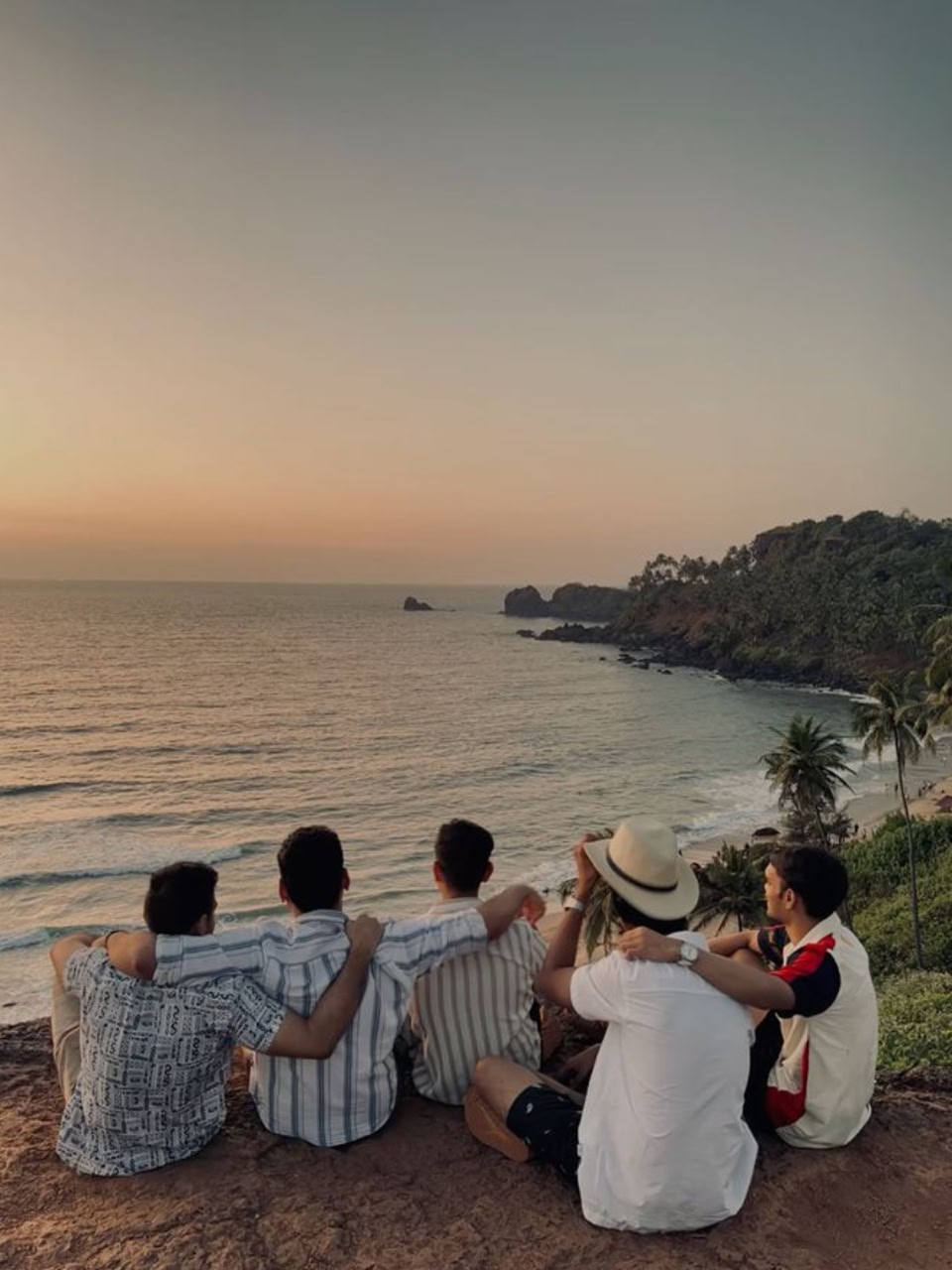
- Vagator & Chapora — Cliff views, sunset spots near the fort.
- Arambol — Bohemian north end; alternative crowd.
- Palolem — Crescent bay in South; kayak-friendly calm water.
- Agonda — Quieter South alternative to Palolem.
- Colva & Benaulim — Long sands, mixed local and tourist presence.
Churches & Forts
Basilica of Bom Jesus holds St. Francis Xavier’s relics and anchors Old Goa’s church complex. Se Cathedral impresses with scale. Fort Aguada and Chapora Fort offer history plus coastal panoramas. Allocate half a day for heritage away from sand and salt.
Old Goa in December hosts midnight Mass crowds that are spiritually moving but logistically crowded — arrive early or visit on weekday mornings for quieter contemplation. Dress code: covered shoulders and knees; remove hats inside. Guides at the Basilica explain baroque architecture and the saint’s global pilgrimage significance. Combine churches with a Panaji Fontainhas walk the same day if you start by 8 a.m.
Water Sports
Parasailing, jet skis, banana boats, and bumper rides operate at licensed zones on busy beaches. Operators should provide life jackets and brief safety instructions. Scuba diving and snorkelling trips run from Panaji, Grande Island, and select South beaches — book through established dive centres.
Popular water sports by beach
- Baga / Calangute — Parasailing, jet ski, bumper ride; highest vendor density.
- Grand Island — Day boat trips with snorkelling; depart Panaji/Donna Paula.
- Palolem — Kayaking and paddleboarding in calmer South waters.
Always confirm whether insurance and instructor certification are included. Avoid swimming far from shore when red flags fly.
Nightlife
North Goa concentrates clubs, beach parties, and live music bars. Tito’s Lane in Baga is iconic but not the only option — Anjuna and Vagator host seasonal events. South Goa nightlife is softer: resort bars and early closes. Drink responsibly and pre-arrange transport.
Shopping Markets
- Anjuna Flea Market — Seasonal peak winter; clothes, crafts, jewellery.
- Mapusa Market — Friday local market; authentic Goa beyond souvenirs.
- Panaji Municipal Market — Spices, fish, daily life.
Famous Food
Seafood dominates: kingfish recheado, prawn curry, crab xec xec. Pork vindaloo and sorpotel appear at Catholic homes and select restaurants. Vegetarians enjoy gashi and Konkani vegetable preparations. Desserts — bebinca, dodol — make ideal gifts.
Sample daily food budget
Shack breakfast ₹200–400, lunch thali or fish plate ₹400–800, dinner with drinks ₹800–1,500 per person at mid-range spots. South Goa resort dining runs higher but saves taxi time. Street snacks — cutlet pao, ros omelette in Panaji — fill gaps between beaches for under ₹100. Gujarat travellers noting vegetarian needs should ask shacks about separate tawa cooking; many accommodate when asked politely at less busy hours.
Where to eat
Beach shacks excel at breakfast and grilled fish lunches — many close by 11 p.m. Inland Goan restaurants (Panaji, Mapusa, Margao) serve deeper curries and vindaloo. Fontainhas Latin Quarter cafes offer coffee and fusion plates in heritage settings. For groups from Ahmedabad or Mumbai, pre-booking dinner at popular shacks on New Year’s Eve is essential.
Drinks & local spirits
Feni — cashew or coconut — is Goa’s signature spirit. Sample responsibly at licensed bars; avoid homemade bottles sold informally. Kingfisher beer and local port wine appear on most tourist menus.
Offbeat Goa Experiences
- Spice plantations — Ponda region tours with lunch (South Goa day trip).
- Dudhsagar Falls — Monsoon spectacle; jeep tours from Mollem (seasonal access).
- Fontainhas walk — Colourful Portuguese-era lanes in Panaji.
- Chorao Island — Dr Salim Ali Bird Sanctuary for quiet nature.
- Divar Island ferry — Slow Goa away from beach crowds.
Getting Around Goa
Scooters suit North Goa short hops; cars with driver suit South Goa resort hopping. App cabs work in Panaji and airport corridors but thin out on remote South beaches at night. Rent from shops that photocopy your licence and provide helmets. Pre-arrange airport pickup during Christmas week when demand spikes.
North Goa Beach Day Planner
Morning (7–10 a.m.): Calangute swim and breakfast shack. Midday: Avoid harsh sun — visit Anjuna flea market (winter) or Mapusa on Friday. Afternoon: Fort Aguada or Vagator cliffs. Evening: Baga dinner and optional nightlife. This rhythm prevents one-beach burnout.
South Goa Beach Day Planner
Palolem: Kayak before 9 a.m. when water is calmest. Agonda: Quieter reading and lunch. Colva: Long walks and local church visits. South rewards slow scheduling — trying three beaches in one day defeats the purpose of crossing the state.
Budget Guide (Per Person, 4 Nights)
| Style | Stay | Food & activities | Total approx. |
|---|---|---|---|
| Budget | ₹1,500–₹2,500/night | ₹1,500/day | ₹12,000–₹16,000 |
| Mid-range | ₹4,000–₹7,000/night | ₹2,500/day | ₹26,000–₹38,000 |
| Luxury | ₹10,000+/night | ₹5,000+/day | ₹60,000+ |
5-Day Goa Itinerary
Day 1 — Arrival & North beach
Land at Mopa or Dabolim; check into North Goa. Evening shack dinner at Calangute or Baga.
Day 2 — Water sports & fort
Morning water sports. Afternoon Fort Aguada. Optional night market or club.
Day 3 — Heritage & transfer South
Old Goa churches in morning. Drive to South Goa; sunset at Palolem or Colva.
Day 4 — South relaxation
Kayaking at Palolem, spice plantation, or butterfly beach boat trip.
Day 5 — Departure
Beach breakfast and airport transfer.
Alternative 3-day express itinerary
Day 1: North arrival + Calangute sunset. Day 2: Old Goa + Anjuna market (seasonal) + nightlife optional. Day 3: Morning beach, afternoon departure. Fits long weekends from Mumbai or Pune when paired with early flights.
Goa for Honeymoons & Families
Honeymooners favour South Goa resorts with private beach access, couples’ spa slots, and candlelit shack dinners at Palolem. Families prioritise Calangute/Baga for shallow swimming zones (still supervise children), lifeguard presence, and shorter transfers from airport. Mixed groups often split — adults explore Tito’s Lane one evening while kids stay at hotel kids’ clubs available at larger resorts.
Goa Festival Calendar (Peak Season)
Christmas and New Year week fills every beach and airport. Carnival (usually February) brings parades in Panaji. Music festivals rotate venues — check official 2026 dates before locking non-refundable hotel rates. Diwali and long weekends from Gujarat and Maharashtra also spike North Goa occupancy.
Responsible Tourism in Goa
Do not litter beaches; choose licensed water sports operators. Respect church silence during services. Avoid flash photography where prohibited inside basilicas. Sustainable habits keep Goa welcoming for future seasons.
Choosing Your Goa Airport
Mopa (GOX) suits North Goa hotel zones with newer highway access. Dabolim (GOI) suits South Goa and Panaji depending on bridge traffic. Compare fares to both airports — sometimes the closer airport on a map is not faster door-to-door. Pre-book transfers during charter season.
Goa Monsoon Alternative
June–September Goa suits nature travellers. Dudhsagar Falls swells, spice farms turn vivid green, and hotel rates drop. Sea swimming is often restricted, but Ayurveda retreats and river cruises still operate. Pack rain gear and plan slower days without the winter party crowd.
Goa Accommodation Zones Explained
Calangute–Baga strip — Maximum restaurants and taxis; noisy at night. Anjuna–Vagator — Cliff cafes and market culture. Panaji / Fontainhas — Heritage stays, less beach access but urban charm. Palolem–Agonda — South’s postcard bays; book months ahead for Christmas. Benaulim–Colva — Family-friendly long beaches with moderate prices. Match zone to trip purpose before filtering hotels online — “Goa hotel” search results are meaningless without geography.
Travel Tips
- Carry photo ID for hotels and scooter rentals.
- Use SPF 50+; Goa sun burns quickly.
- Respect beach swim flags.
- Pre-download offline maps for coastal roads.
- Pair Goa with hill breaks — see our Matheran guide for contrast.
- Bundle via Aurum Holidays packages for peak season.
Conclusion
Goa in 2026 remains India’s beach holiday benchmark — if you match beach choice to travel style and book winter early. North brings energy; South brings space; heritage and food unite both.
First-time visitors who split North and South, respect the sea, and spend at least one afternoon away from beaches — in Old Goa or a spice farm — consistently report richer trips than those who never leave the shack strip. Goa rewards curiosity as much as sunscreen.
When budgeting, add 10–15% contingency for peak-season surcharges on taxis and water sports — December bills often exceed spreadsheet estimates unless you pre-book bundled activities through a tour operator.
Indian nationals need no special permit for standard tourist corridors; carry ID for airport and hotel checks as usual.
Plan Your Goa Vacation with Aurum Holidays
Aurum Holidays builds Goa packages with flights, hotels, and transfers from Ahmedabad and beyond. Contact us or browse holiday packages.