The Char Dham Yatra is among India’s most significant pilgrimage circuits — four Himalayan shrines that draw millions of devotees each summer. Yamunotri, Gangotri, Kedarnath, and Badrinath are not merely temples on a map; they are journeys through river valleys, alpine meadows, and roads that test both faith and preparation. In 2026, as registration systems and infrastructure continue to evolve, planning ahead matters more than ever.
This guide explains the spiritual context, practical route, registration steps, shrine-by-shrine expectations, health and packing advice, accommodation patterns, budget ranges, and mistakes to avoid. Use it whether you travel independently or through a trusted operator like Aurum Holidays.
The yatra is not a race. Pilgrims who treat it as a checklist often burn out at Kedarnath; those who build rest days at Guptkashi and Joshimath complete the circuit with steadier health and deeper presence at each temple. If you are travelling from Gujarat, many groups route via Haridwar with Ahmedabad–Delhi–Haridwar flights or overnight trains — plan arrival buffers so you do not start mountain driving exhausted.
About Char Dham Yatra
Adi Shankaracharya is traditionally credited with establishing the Char Dham pilgrimage framework across India; in Uttarakhand, the four dhams represent a compact Himalayan circuit accessible from the plains via Haridwar and Rishikesh. Pilgrims believe visiting all four in one lifetime brings spiritual merit. Practically, the yatra also showcases Uttarakhand’s extraordinary geography — glacial rivers, cedar forests, and peaks that remain snow-capped into summer.
The journey is demanding. Altitude, walking segments, weather swings, and road conditions require honest fitness assessment. Families, seniors, and first-time Himalayan travellers succeed with slower itineraries, rest days, and realistic transport choices.
Spiritual Importance
- Yamunotri — Source of the Yamuna; goddess Yamuna worshipped at the temple near hot springs.
- Gangotri — Origin of the Ganga at Gaumukh glacier (trek beyond temple for the devoted).
- Kedarnath — Jyotirlinga of Lord Shiva; highest and often emotionally central stop.
- Badrinath — Lord Vishnu in Badri form; closes the circuit at the Alaknanda valley.
Rituals include dip at hot springs (Yamunotri), Ganga aarti impressions (Gangotri), darshan and archana at each temple, and charitable acts along the route. Respect local priests’ instructions and photography rules inside sanctums.
Route Map & Sequence
Standard order: Haridwar/Rishikesh → Yamunotri → Gangotri → Kedarnath → Badrinath → departure.
Key bases and drive hubs include Barkot (Yamunotri access), Uttarkashi (Gangotri), Guptkashi/Sonprayag (Kedarnath), and Joshimath/Badrinath town. Distances are not extreme on paper but mountain roads multiply travel time. A 12-day itinerary allows buffer for weather and fatigue.
Approximate driving legs (one-way, variable)
- Haridwar to Barkot — 7–8 hours
- Barkot to Yamunotri trek base Janki Chatti — 2–3 hours, then 6 km trek or pony
- Barkot to Uttarkashi — 4–5 hours
- Uttarkashi to Gangotri — 4–5 hours
- Uttarkashi to Guptkashi — 8–10 hours
- Guptkashi to Sonprayag — 1 hour; Kedarnath trek 16 km or helicopter to Phata/Sersi
- Kedarnath region to Badrinath via Chopta/Joshimath — long day, 10+ hours with breaks
Registration Process
Uttarakhand mandates pilgrim registration for Char Dham. Steps typically include:
- Visit the official Uttarakhand Char Dham / tourism registration portal when the season opens.
- Enter personal details, ID proof, travel dates, and vehicle information if applicable.
- Receive confirmation QR or reference number — save digital and printed copies.
- Present registration at checkpoints along the route.
Registration helps authorities manage daily caps at sensitive points and assists in emergencies. Book through operators who include registration support if you find the portal confusing during peak load.
Best Time to Visit
May to June — Opening weeks plus pleasant weather; heavy demand. September to early October — Clearer post-monsoon views, thinner crowds before closing. Avoid core monsoon (July–August) unless you accept high landslide risk. Late October closes as snow returns to high passes.
How to Reach
Fly to Dehradun’s Jolly Grant Airport or take trains to Haridwar/Rishikesh. Most yatras start road journeys from there in tempo travellers, SUVs, or buses. Haridwar is the traditional spiritual gateway — many pilgrims take a Ganga dip before departing.
Kedarnath
Kedarnath sits at roughly 3,583 metres, reached by trek from Gaurikund or helicopter to nearby helipads with remaining walk. The 2020s reconstruction improved facilities, but altitude still affects breathing. Acclimatise at Guptkashi, hydrate, and do not rush the climb.
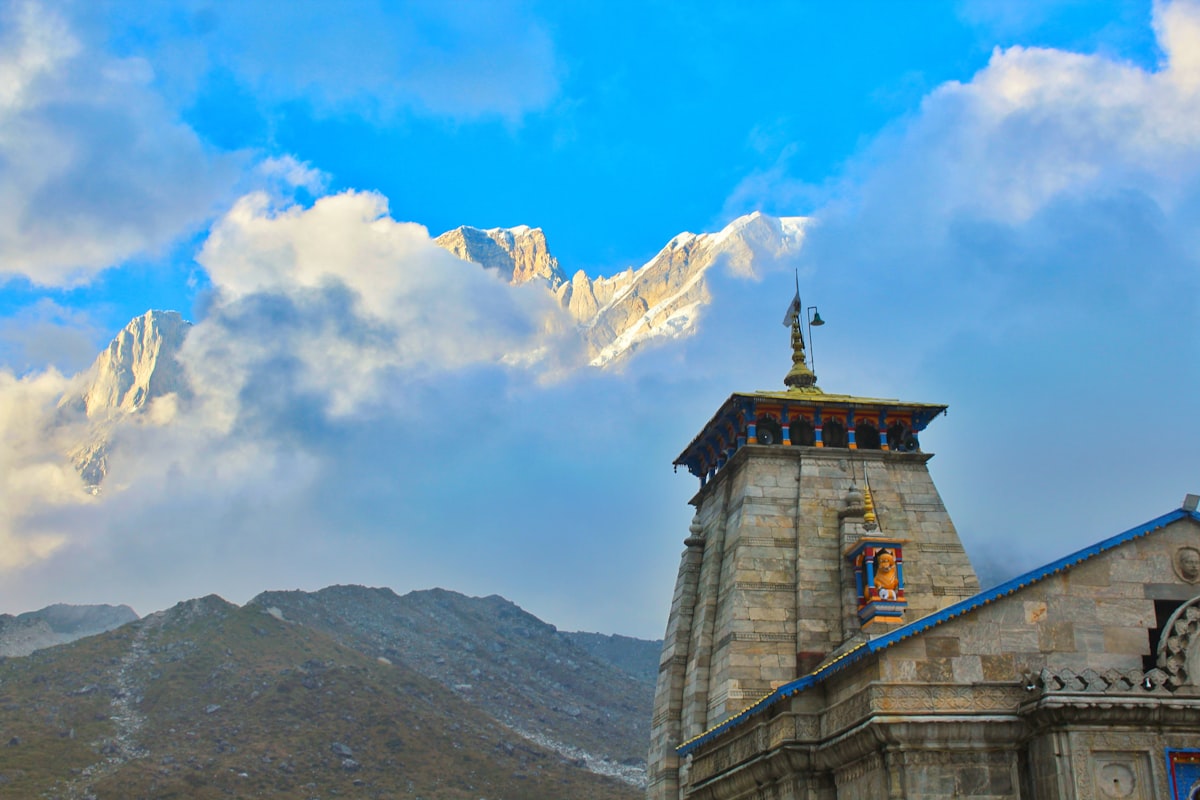
Options: walk, pony, palanquin, or helicopter packages. Start early to avoid afternoon cloud buildup. Temple darshan queues peak mid-morning — your tour manager or local guide times visits. Night stay at Kedarnath is possible in basic lodging for those who want dawn aarti atmosphere. The mandir’s stone architecture against raw peaks is why many pilgrims call Kedarnath the emotional centre of the yatra — allow time to sit quietly after darshan rather than turning back immediately.
Badrinath
Badrinath at ~3,300 metres is road-accessible to the town, with a short walk to the temple. Nearby Mana village (last village before Tibet border) is a cultural add-on. Tapt Kund hot spring bathing precedes tradition for many pilgrims. Joshimath is the winter seat of Lord Badrinath when the main temple closes.
Gangotri
Gangotri temple stands on the Bhagirathi river. Gaumukh glacier trek (18+ km one way) is a separate multi-day adventure requiring permits and guides — not part of standard Char Dham for most pilgrims. Standard visit includes temple darshan and river rituals at Gangotri town.
Yamunotri
Drive to Janki Chatti or Phool Chatti, then trek about 6 km to Yamunotri temple. Ponies and palanquins available. Surya Kund hot spring nearby — pilgrims often cook rice in cloth bags dipped in hot water as prasad. The trek is steep in sections; monsoon makes paths slippery.
Start Yamunotri day before dawn if possible — afternoon heat on the return trek exhausts pilgrims who began late. Pack light backpacks; porters available at base. Hot spring dips are ritual, not spa — follow local custom on gender-specific bathing areas and modesty norms.
Packing Checklist
- Warm jacket, thermals, rain poncho
- Sturdy trekking shoes (broken in)
- Torch, spare batteries, power bank
- Sunglasses, sunscreen, lip balm
- Personal medicines, ORS, basic first aid
- Dry fruits, biscuits, reusable water bottle
- ID proofs, registration printout, cash in small notes
- Light rain cover for backpack
- Plastic-free mindset — carry waste back down
Health & Safety Tips
- Consult a doctor if you have heart, lung, or blood pressure conditions.
- Recognise altitude symptoms — headache, nausea; descend if worsening.
- Drink water regularly; avoid alcohol at altitude.
- Follow landslide diversion notices; never argue with local police closures.
- Travel insurance covering helicopter evacuation is worth considering.
- Keep emergency contacts and family informed of daily location.
Accommodation
Ranges from dharamshalas and budget lodges in towns to mid-range hotels in Guptkashi, Joshimath, and Barkot. Kedarnath offers basic guest stays — book through tour operators in peak season. Do not expect luxury at the highest elevations; expect clean beds and hot water on good days.
Budget Guide (Per Person, 11–12 Day Group Tour)
| Category | Includes | Approx. cost (₹) |
|---|---|---|
| Budget group | Shared tempo, dharamshala-style stays | 25,000–35,000 |
| Standard private SUV | Better hotels, flexible pace | 45,000–70,000 |
| Helicopter-assisted | Kedarnath heli + upgraded stays | 70,000–1,20,000+ |
Excludes personal shopping, pony/palanquin, and special puja offerings.
Sample 12-Day Char Dham Itinerary
| Day | Plan |
|---|---|
| 1 | Arrive Haridwar; Ganga aarti evening |
| 2 | Haridwar to Barkot via Mussoorie route |
| 3 | Yamunotri darshan (trek/pony); return Barkot |
| 4 | Barkot to Uttarkashi |
| 5 | Gangotri darshan; night Uttarkashi |
| 6 | Uttarkashi to Guptkashi |
| 7 | Kedarnath trek or helicopter; darshan |
| 8 | Return Guptkashi; rest |
| 9 | Guptkashi to Joshimath/Badrinath |
| 10 | Badrinath darshan; Mana village optional |
| 11 | Badrinath to Rudraprayag/Srinagar |
| 12 | Return Haridwar/Rishikesh; departure |
Helicopter vs Trek for Kedarnath
Helicopter services operate from Phata, Guptkashi, and Sersi bases subject to weather. Book only through official channels or your tour operator — touts sell invalid promises. Even with helicopter, a short walk to the temple remains. Trekkers should start from Gaurikund before 4 a.m. in peak season to beat queues and afternoon weather. Pony handlers are licensed — negotiate at official counters, not mid-trail.
Temple Etiquette & Darshan Tips
Dress modestly with shoulders and knees covered. Remove shoes at designated points. Mobile phones may be banned inside inner sanctums — use lockers where provided. Puja offerings can be purchased from official temple counters at fixed rates. Queue patiently; avoid unofficial “VIP” touts.
Women, Seniors & Children on Yatra
Women pilgrims should carry personal hygiene supplies; remote toilet quality varies. Seniors benefit from palanquin services at Yamunotri and pony support at Kedarnath. Children above eight can manage short treks with breaks; younger kids need alternate plans for high-altitude segments.
Documents & Permits Checklist
Carry government photo ID, Char Dham registration printout, medical prescription copies, travel insurance papers, and emergency contacts. Foreign nationals should check current entry requirements. Registered operators handle vehicle permits — verify RC and insurance before mountain legs.
Food & Hydration on the Route
Simple vegetarian meals dominate highway dhabas and lodge kitchens. Avoid heavy fried food before treks. Drink bottled or purified water; ORS sachets help at altitude. Carry dry fruit for landslide delays. Alcohol is best avoided for safety and respect.
Understanding Altitude at Each Dham
Yamunotri and Gangotri sit near 3,000 metres; Kedarnath and Badrinath exceed that. Mild headache on arrival is common — rest, hydrate, avoid depressants. If symptoms worsen (vomiting, confusion), descend immediately and seek medical help at the nearest PHC or army checkpoint. Do not treat altitude lightly because “others seem fine” — acclimatisation is individual.
Pre-Yatra Fitness Preparation
Walk 30–45 minutes daily four weeks before departure. Practice stairs if Kedarnath trek is planned. Seniors should consult physicians about altitude medication — do not self-prescribe. Mental preparation matters: queues, weather delays, and shared transport require patience that matches spiritual intention.
Group travellers from Ahmedabad often prefer shared tempo packages — verify group size, seat comfort, and whether hotel nights match your non-negotiables before paying deposits to unknown agents.
Keep emergency numbers for Uttarakhand disaster management and your operator saved offline — mountain roads lose signal without warning.
Travel insurance covering medical evacuation is inexpensive relative to yatra cost and invaluable if altitude or landslide delays strike.
Travel Tips
- Book early for May–June slots.
- Carry cash — ATMs fail in remote valleys.
- Respect queue systems at temples.
- Combine spiritual prep with physical walking practice weeks before travel.
- Read our Kashmir guide for another Himalayan trip on a separate holiday.
- Trust registered operators — see Aurum Holidays pilgrimage packages.
Conclusion
Char Dham is not a sightseeing sprint. It is a structured encounter with rivers, peaks, and devotion that rewards preparation and humility. In 2026, register early, choose your route sequence wisely, pack for cold and rain, and give your body time to adapt. The temples have waited centuries; they can wait an extra rest day if you need it.
Pilgrims who journal each darshan — a note about weather, queue time, and personal feeling — often describe deeper memories than photo collections alone provide. The yatra changes people slowly; allow that change room to happen.
If travelling from Ahmedabad or Gujarat, many groups fly to Dehradun or take trains to Haridwar — factor a full rest day before ascending to Yamunotri; plains-to-altitude same-day jumps increase sickness risk.
Char Dham Packages with Aurum Holidays
Aurum Holidays organises Char Dham Yatra with experienced drivers, verified hotels, registration help, and optional helicopter segments. Share your group’s age range and start city — we will propose a safe, respectful itinerary. Request a free quote today.